
The Journal
Written by: ACRE | Published On: March 04, 2026
Polynucleotide Aftercare: 10 Dos and Don'ts
Polynucleotides are bio-stimulators that promote skin cell regeneration and repair while boosting elastin and collagen production. Unlike fillers, this treatment relies on the body’s cellular response to succeed, and that’s why polynucleotide aftercare is so critical for patients.
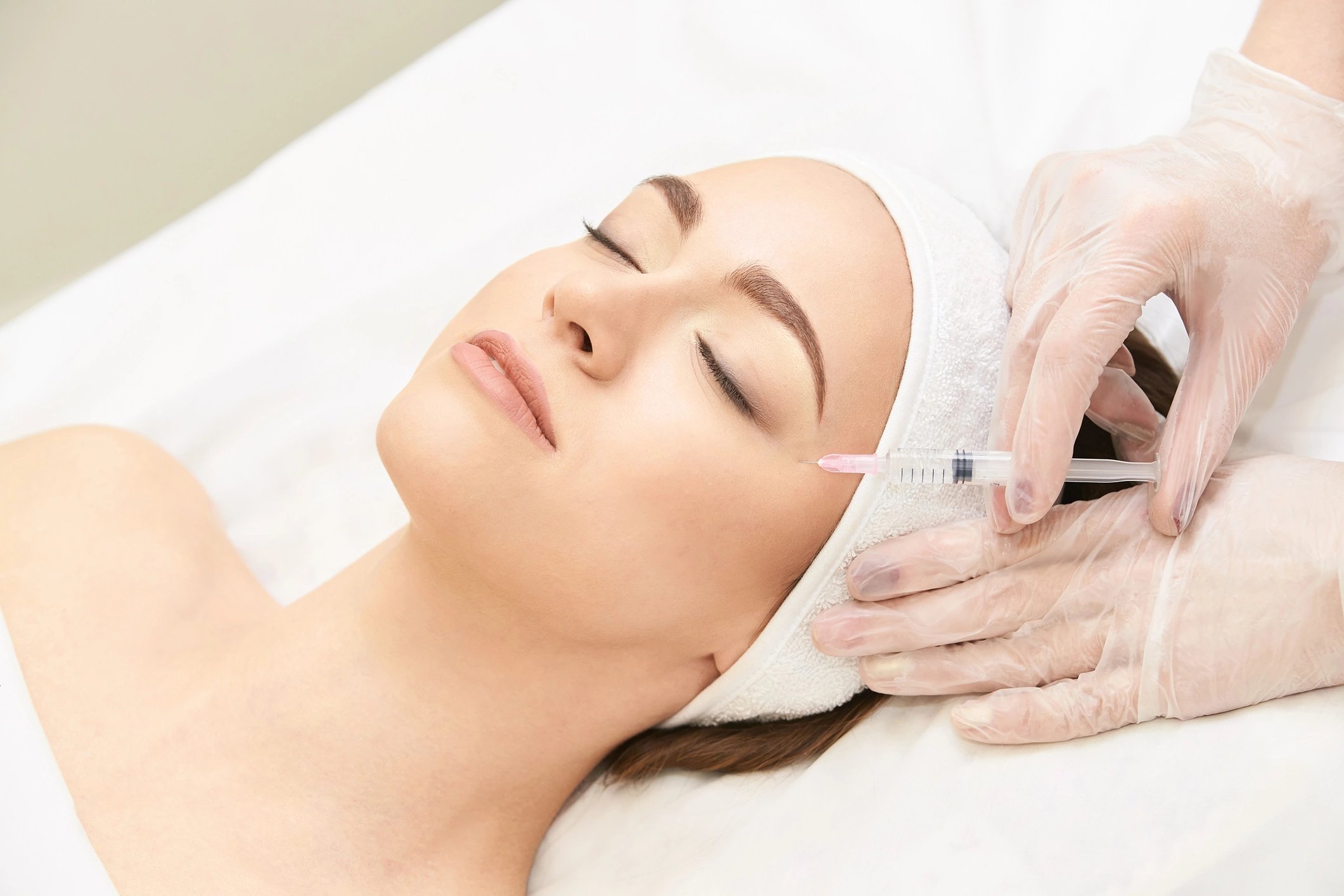
If you have been asked how to get the best results from polynucleotides, this guide provides our essential dos and don’ts to ensure the treatment delivers the best possible results.
5 Dos for Polynucleotide Aftercare
1. Stay Hydrated
First things first, hydration is essential for polynucleotide aftercare. These bio-stimulators are hydrophilic, attracting and retaining water to give the skin a fuller, more youthful appearance. Water is therefore essential for the treatment to ‘plump’ the skin from beneath the surface, so patients are recommended to drink at least 2 litres of water a day.
2. Use Gentle Skincare
Following polynucleotide treatment, it’s important to minimise irritation to the skin and allow the skin to repair as quickly as possible. As a result, patients should only use gentle skincare products, avoiding AHAs, retinoids, and other exfoliating acids for at least 72 hours. Mild, fragrance-free cleansers are advised.
3. Apply High SPF
Since polynucleotides are often administered via a needle, it’s critical to protect patients’ injection sites during aftercare. Using SPF protection is key here, as blocking UV radiation prevents post-inflammatory hyperpigmentation (PIH), which results in flat, discoloured spots on the skin.
4. Sleep Elevated
Sleeping with an elevated head for the first night after polynucleotide treatment boosts circulation, helping to reduce the ‘mosquito bite’ bumps that commonly occur across injection sites. Patients are also encouraged to get consistent, uninterrupted sleep each night, since skin primarily repairs itself overnight.
5. Be Patient
Patients shouldn’t be disheartened if they don’t see results right away. Polynucleotides like Nucleofill and Plinest take time to work, and patience is key for aftercare. Bumps, redness, and bruising are common for the first few days, and skin may feel tight or itchy toward the end of the first week. These are signs that the skin is healing itself. A rejuvenated ‘glow’ should appear by the fourth week after treatment, so we recommend encouraging patience during the first few weeks.
5 Don’ts for Polynucleotide Aftercare
1. Touch or Rub
Following polynucleotide treatment, the skin will be vulnerable. To prevent bacteria from entering injection sites, patients should avoid touching or rubbing their faces for six to 12 hours after injection.
2. Wear Makeup
Makeup may seem like a good idea for patients looking to cover up redness or bumps, but the skin must be kept as clean as possible. Bacteria-carrying brushes and heavy pigments can enter injection sites, causing infection and potentially worsening irritation and redness, so it is best to avoid makeup for at least the first 24 hours.
3. Exercise Strenuously
Swelling and bruising are common following polynucleotide treatment, and sweat and increased blood flow can exacerbate both of these effects. As a result, patients are advised to avoid exercise for at least 48 hours following their treatment.
4. Smoke or Drink Alcohol
For at least 24 hours following polynucleotide treatment, patients should avoid smoking or consuming alcohol. As dehydrators of the skin and slowers of regeneration and collagen production, these activities undermine the results of polynucleotides. Plus, alcohol can exacerbate bruising, so it is best avoided while the skin settles down.
5. Expose Skin to Intense Heat
To keep inflammation to a minimum, patients should avoid settings that subject their skin to high temperatures for at least 72 hours. This includes saunas, steam rooms, and hot showers. More direct exposure, such as from sunbeds, should be avoided for at least two weeks.
FAQs: Common Patient Questions
Can patients have a facial after polynucleotides?
Yes, patients can have facial treatments after polynucleotides, but they should wait at least two weeks for their skin to fully repair before doing so.
Why do patients exhibit bumps after their polynucleotide treatment?
These bumps, or papules, are small spots of swelling that result from the skin’s injection sites. The deposits left by the needles take a bit of time to be absorbed, so these bumps are to be expected.
When can patients drink alcohol after polynucleotide treatment?
Patients are recommended to wait at least 24 hours before drinking alcohol after polynucleotide treatment. With an even safer waiting period of 48 hours, abstaining from alcohol allows bruising to settle.
Shop Polynucleotide Treatments with ACRE Pharmacy
ACRE Pharmacy supplies licensed, high-quality polynucleotide products to registered practitioners across the UK. As a GPhC-registered pharmacy, we guarantee the authenticity and integrity of our products, ensuring optimal patient safety and results.
Explore our full range of polynucleotides, including those from market-leading brands like Croma and PolyPhil, or browse our wider collection of aesthetics products. For any further information regarding our products, please don’t hesitate to contact us.


