
The Journal
Written by: ACRE | Published On: November 17, 2025
Can Polynucleotides Treat Hair Loss?
Take a look at ACRE Pharmacy’s guide to polynucleotides for hair loss and find out whether this treatment would be a good fit for your clinic.
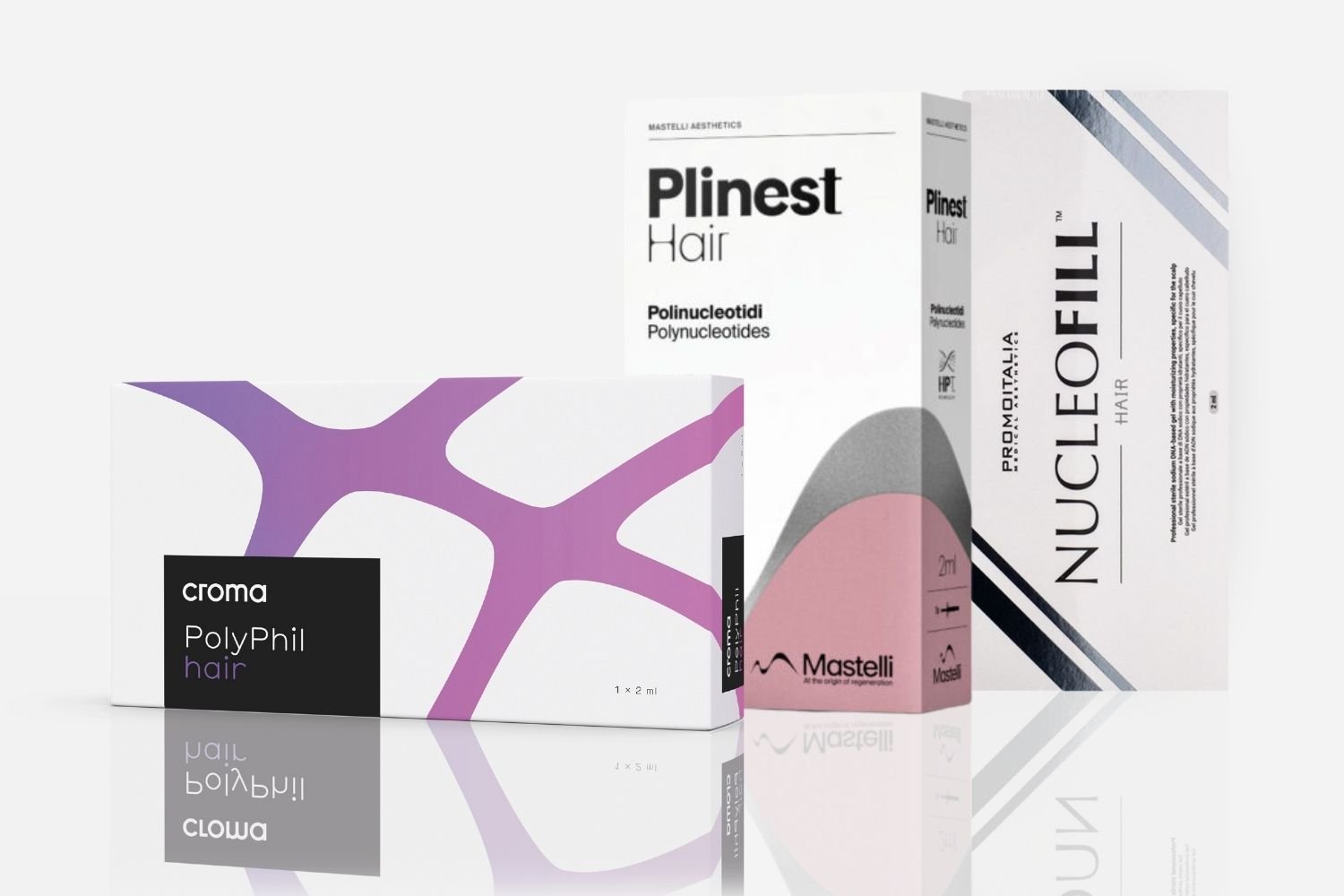
Experienced by millions of people worldwide, hair loss and thinning are extremely common. Despite just how many people experience hair loss, it is a huge cause for insecurity and distress. From medications to transplants, people are constantly looking for new and innovative solutions to restore fullness and repair the hair’s damaged follicles. Increasingly popular alternatives, however, are polynucleotide treatments.
What are Polynucleotides?
Typically known for improving the quality of the skin, polynucleotides are injectable treatments that utilise salmon sperm to stimulate repair. They can also be used across the scalp in order to repair hair follicles and encourage new growth in a number of ways.
Whilst procedures like hair transplants are popular alternatives, they aren’t for everyone, with a high price and quite a daunting surgical procedure. Polynucleotides, on the other hand, are non-surgical, have no downtime, and are typically far more affordable.
How do Polynucleotides Treat Hair Loss?
Polynucleotides have many valuable properties that can promote the growth of new hair and can be relied on to treat hair thinning in several ways. These include:
- Boosts blood circulation: In a process known as angiogenesis, polynucleotides increase blood circulation to the targeted area, allowing follicles to receive the essential nutrients and oxygen that they require to promote growth.
- Supports cellular repair: Via the creation of fibroblasts, polynucleotide treatments work to repair the tissue and encourage cellular regeneration.
- Anti-inflammatory properties: Inflammation is known to damage hair follicles and stunt growth, which is why polynucleotides make efforts to reduce inflammation.
- Stimulates hair follicles: Polynucleotide treatments reactivate dormant follicles, strengthening them to reduce shedding.
Who is a Suitable Candidate for Polynucleotides?
Whilst polynucleotide treatments may not be suitable for everyone, they are ideal for those experiencing the early stages of moderate hair thinning. Those dealing with either stress or hormone-based shedding may be the perfect candidates.
However, men experiencing MPB or those who have already dealt with heavy hair loss may not be suitable for polynucleotides for hair loss. We’d always recommend organising consultations with your clients to discuss whether or not the treatment could actually benefit them or support their hair growth journey.
What does the treatment involve?
First of all, clinicians should organise a consultation to discuss whether or not patients are eligible for the treatment. You should consider factors such as hair density, scalp condition, medical history, and whether the process could actually benefit the individual.
The polynucleotide treatment for hair loss process involves a number of injections across the scalp, with a particular focus on areas of thinning. The treatment times can vary, but can typically take anywhere between 30 and 45 minutes.
How many sessions?
Most clinicians will recommend between three and four sessions, with a couple of weeks between each visit. Polynucleotides cannot permanently cure hair loss, so maintenance sessions will be necessary every six to nine months, depending on the conditions surrounding your client’s hair loss.
How long does it take for results to show?
Like most aesthetic treatments, results come with time. Whilst people may notice improvements in the condition of the scalp after the first treatment or two, changes to the hair’s density may take several months to appear. With consistent upkeep and regular sessions, results will continue to improve.
Are there any side effects?
As a non-surgical treatment with minimal downtime, the side effects of polynucleotides for hair loss are extremely minor. Typical of injections, individuals may experience some initial swelling or redness.
Order Polynucleotides for Hair Loss at ACRE Pharmacy
Considering offering your clients polynucleotides for hair loss? Order aesthetic supplies online at ACRE Pharmacy today. As one of the UK’s leading online pharmacists, we’re registered with the General Pharmaceutical Council (GPhC) and deliver only the highest quality brands like Nucleofill and Dermafocus. Take a look at our collection and discover other injectable treatments like skin boosters and dermal fillers today.


