
The Journal
Written by: GALDERMA | Published On: August 13, 2025
How Different Types of Lasers Work and Why Alastin works perfectly alongside them?
There are hundreds of technologies currently available to address the visible signs of skin aging. One such technology is the Laser, which stands for “Light Amplification by Stimulated Emission of Radiation,” but how does it work?
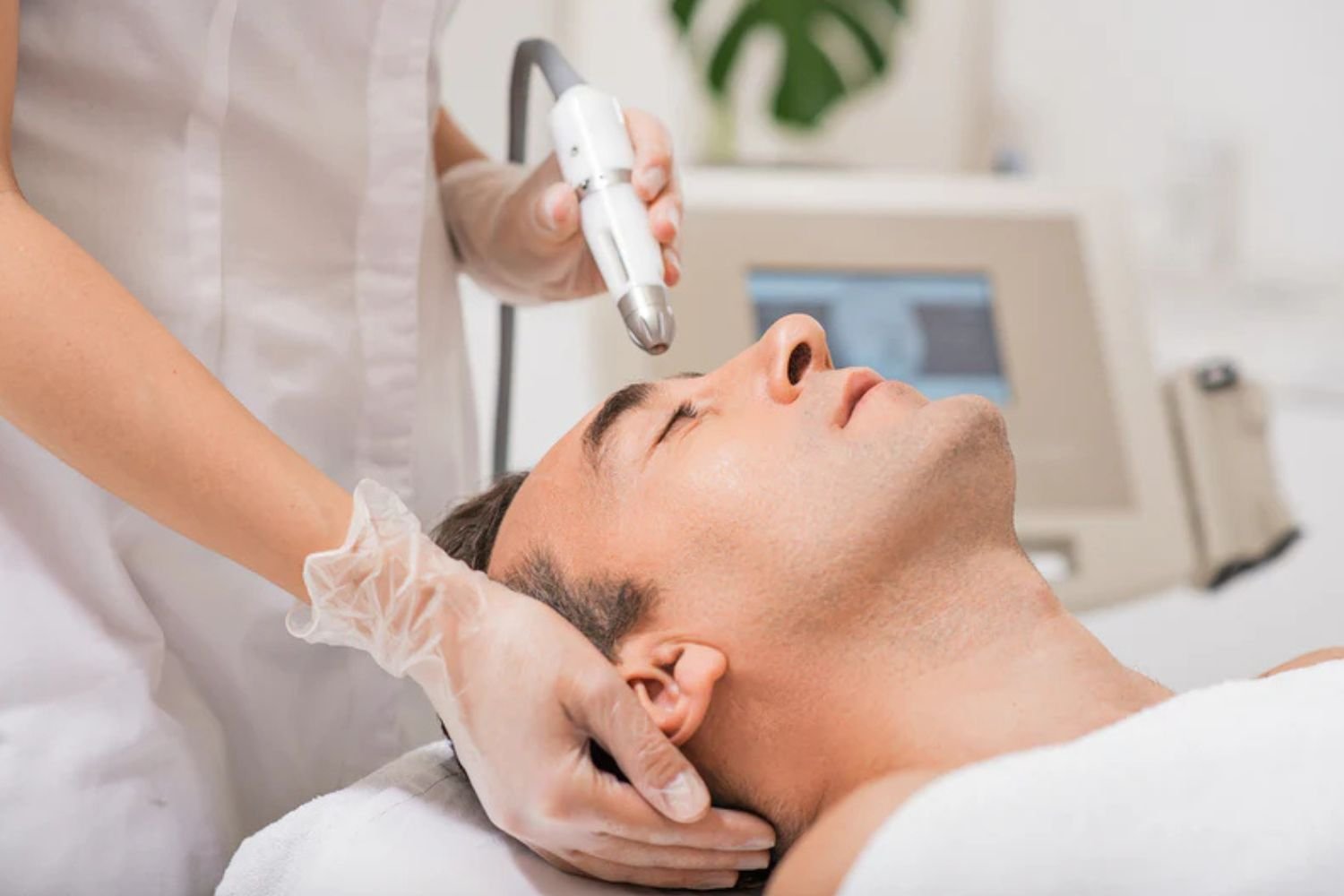
Both ablative and non-ablative lasers use highly concentrated light beams of improve the skin texture. Simultaneously, the laser energy heats the underlying skin called the dermis, and together this resurfacing procedure will improve the skin’s overall tone and texture by reducing wrinkles, dark spots, blemishes, and even some acne scars.
The Main Benefits of Laser Resurfacing Treatment:
- Reduce or minimize fine lines or wrinkles.
- Reduce appearance of brown spots and hyperpigmentation (sun damage), redness or discoloration.
- Restore uneven skin tone and skin discoloration.
- Improve skin laxity.
- Stimulate collagen production.
- Minimize acne or surgical scar tissue.
- Reduce the size and appearance of pores.
How Different Types of Lasers Work
Ablative Laser Treatment
Ablative lasers remove outer layers of skin, called the epidermis, and encourage new skin to regenerate in its place. How deep the laser penetrates depends on the wavelength of the light. Fractionated ablative lasers are being used more and more because they break up the laser energy into thousands of tiny beams to treat only a small fraction of the skin in the treatment area, which reduces downtime by not completely removing the outer layers of the skin. The improvements from ablative laser resurfacing are long-lasting and dramatic, but they can appear gradually over time as healing and new collagen regeneration take place. It can take many months before you see optimal results from the fractional laser treatment. There is typically some downtime with these procedures that can range from 3-10 days depending on your skin condition and the type of procedure performed.
Non-ablative skin rejuvenation
Both ablative and non-ablative lasers use highly concentrated light beams to improve the skin texture. The heat generated by the non-ablative laser promotes collagen production which causes the skin to contract and tighten for a younger and healthier appearance. Non-ablative lasers can also be fractionated, so they deliver heat into the skin through thousands of tiny, deep columns known as microthermal treatment zones with normal untreated skin in the surrounding areas. The fractional approach allows the skin to heal much faster versus treating the entire surface of the skin. This approach reduces the recovery time and reduces the number of complications that can occur. Oftentimes multiple sessions are required for optimal results and there is typically no downtime with non-ablative laser procedures. The skin may appear pink and have a sand-paper type texture for a few days following treatment.
Pre s Post Procedure Care
Fortunately, if you are wondering how to better prepare your skin to enhance treatment results, there are skincare products that can help. To prep the treatment area, it is recommended to apply the Alastin Regenerating Skin Nectar with TriHex Technology® for the 2 weeks leading up to the procedure and for the 2 weeks following the procedure.
Designed to support the regeneration of healthy elastin and collagen, calm skin redness, and support optimal results of the treatment, the Alastin Regenerating Skin Nectar is formulated using potent antioxidants and peptides to protect the skin barrier and reduce the appearance of redness as the skin heals after laser skin rejuvenation.
Contact your healthcare professional to find out which type of laser skin resurfacing treatment is right for your skin type.
Why Healthcare Professionals Are Recommending the Alastin Regenerating Skin Nectar with Laser Treatments
The Alastin Regenerating Skin Nectar with TriHex Technology® is clinically proven to enhance treatment results:
- Prepares facial skin prior to a procedure to optimize results.
- Calms post-procedure skin.
- Patented TriHex Technology® supports the production of new, healthy elastin and collagen, helping to preserve your procedure results.


