
The Journal
Written by: ACRE | Published On: July 17, 2026
Profhilo vs Polynucleotides: What Is the Difference?
As patient demand for skin rejuvenation continues to grow, practitioners are increasingly asked about the differences between Profhilo and polynucleotides. Both treatments are widely used to improve skin quality, hydration and overall skin health, yet they work in very different ways.
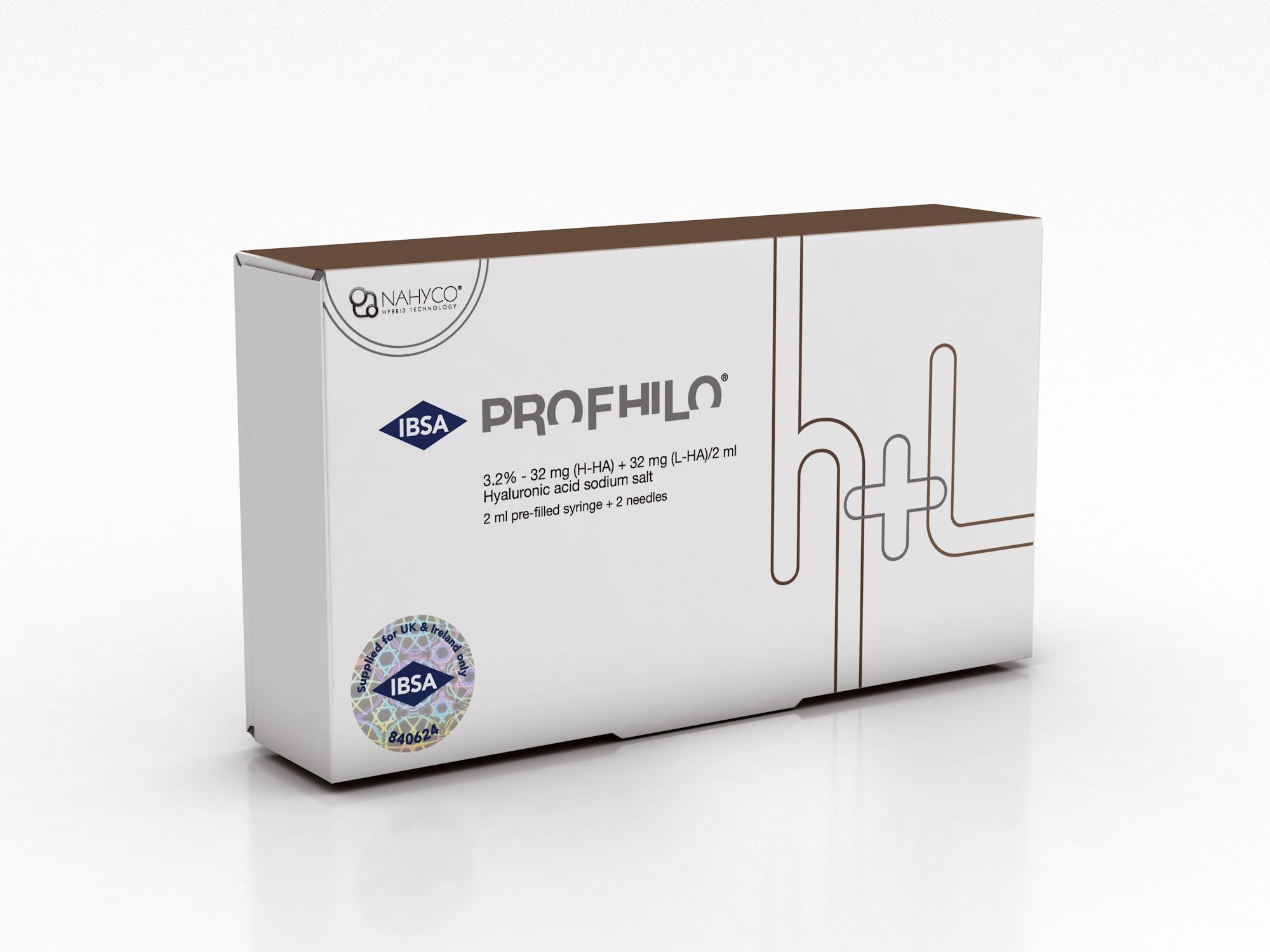
When discussing Profhilo vs polynucleotides, it is important to understand that while both treatments are often grouped together under the category of injectable skin rejuvenation, their mechanisms, indications and treatment outcomes can vary significantly. Understanding these differences helps practitioners recommend the most appropriate treatment based on individual patient concerns and aesthetic goals.
Profhilo vs Polynucleotides: Understanding the Mechanisms
The most significant difference between Profhilo and polynucleotides lies in how they work within the skin.
What Is Profhilo?
Profhilo is an injectable treatment containing a high concentration of stabilised hyaluronic acid. Unlike traditional dermal fillers, it is not designed to add volume or contour the face.
Instead, Profhilo spreads through the tissue after injection and acts as a powerful hydrator. The treatment improves skin quality by increasing hydration levels and stimulating collagen and elastin production.
As one of the most recognised products within the skin boosters category, Profhilo is often used to address:
- Skin laxity
- Dehydration
- Fine lines
- Dull skin
- Early signs of ageing
Many practitioners choose Profhilo for patients seeking overall skin rejuvenation without significant structural changes.
What Are Polynucleotides?
Polynucleotides are regenerative injectable treatments made from highly purified DNA fragments. Rather than focusing primarily on hydration, they work by stimulating tissue repair and supporting the skin's natural regenerative processes.
Once injected, polynucleotides help create an environment that encourages:
- Fibroblast stimulation
- Collagen production
- Elastin synthesis
- Tissue repair
- Improved skin hydration
- Reduced oxidative stress
Popular products available within the polynucleotide treatments category include Plinest, Nucleofill, PolyPhil and Pluryal.
Skin Boosters vs Polynucleotides
The discussion around skin boosters vs polynucleotides is becoming increasingly common as regenerative aesthetics evolves.
While both treatment categories improve skin quality, they do so differently.
Skin boosters such as Profhilo primarily focus on delivering hydration and improving skin texture through hyaluronic acid.
Polynucleotides focus more heavily on tissue regeneration and cellular repair, supporting long-term improvements in skin health and function.
For this reason, many practitioners consider polynucleotides to sit within the broader category of regenerative aesthetics, while skin boosters are often viewed as hydration-focused rejuvenation treatments.
Treatment Indications and Treatment Areas
Although there is some overlap between the two treatments, there are important differences in their typical indications.
When Is Profhilo Recommended?
Profhilo is commonly chosen for patients experiencing:
- Mild to moderate skin laxity
- Dehydration
- Fine lines
- Dull complexion
- Loss of skin elasticity
The treatment is frequently used on:
- Face
- Neck
- Décolletage
- Hands
Patients often seek Profhilo when they want an overall improvement in skin quality without significant downtime.
Practitioners may also recommend Profhilo for younger patients who are beginning to notice early signs of ageing and wish to maintain skin quality proactively.
When Are Polynucleotides Recommended?
Polynucleotides may be suitable for patients experiencing:
- Fine lines
- Skin damage
- Reduced elasticity
- Dehydrated skin
- Acne scarring
- Sun damage
- Thin or fragile skin
One of the most popular applications is under eye polynucleotides, where the treatment is used to improve skin quality in the delicate periocular area.
Unlike some injectable treatments that focus on volume restoration, under eye polynucleotides work by improving tissue quality and hydration without creating additional fullness.
This has made products such as Plinest, Nucleofill and PolyPhil particularly popular among practitioners treating delicate skin concerns.
Areas Where Both Treatments Can Be Used
Both Profhilo and polynucleotides may be used to treat:
- Face
- Neck
- Décolletage
- Hands
However, treatment selection often depends on whether hydration or regeneration is the primary goal.
Patients seeking hydration and glow may be ideal candidates for skin boosters, while patients concerned with tissue quality and regeneration may benefit from polynucleotide treatments.
Longevity and Results
When comparing Profhilo vs polynucleotides, one of the most common questions concerns how long results last and what type of improvements patients can expect.
Profhilo Results
Profhilo is known for producing visible improvements in skin hydration and radiance relatively quickly.
Many patients report:
- Improved skin glow
- Better hydration
- Smoother texture
- Increased firmness
A standard treatment course usually consists of two sessions spaced approximately four weeks apart.
Results can often last several months, although maintenance treatments are typically recommended.
Polynucleotide Results
Results from polynucleotide treatments are often more gradual because they rely on biological regeneration rather than hydration alone.
Patients may notice:
- Improved skin texture
- Better elasticity
- Enhanced hydration
- Increased firmness
- Healthier skin quality
Because collagen production and tissue repair occur over time, the full benefits may become more noticeable several weeks after treatment.
Which Lasts Longer?
There is no universal answer because longevity varies according to:
- Product selection
- Patient age
- Lifestyle factors
- Skin condition
- Treatment protocol
However, many practitioners view polynucleotides as offering a more regenerative approach, while Profhilo is often associated with rapid hydration and skin quality improvement.
Rather than viewing the treatments as competitors, many clinics position them as complementary options within a broader regenerative aesthetics strategy.
Which Patients Are Best Suited to Each Treatment?
Patient selection is one of the most important factors when deciding between Profhilo and polynucleotides.
Ideal Profhilo Patients
Profhilo may be particularly suitable for patients who:
- Want improved hydration
- Have mild skin laxity
- Are concerned about dull skin
- Want minimal downtime
- Are new to injectable skin rejuvenation
These patients often prioritise overall skin quality and hydration improvements.
Ideal Polynucleotide Patients
Polynucleotides may be particularly suitable for patients who:
- Have damaged or ageing skin
- Want regenerative treatment options
- Are concerned about tissue quality
- Have delicate under-eye concerns
- Are interested in long-term skin health
Many practitioners consider under eye polynucleotides one of the strongest indications for regenerative injectable treatments due to the challenges associated with treating this area using traditional fillers.
The Importance of Consultation
Ultimately, the choice between Profhilo vs polynucleotides should be based on a comprehensive consultation.
Factors such as:
- Age
- Skin quality
- Treatment history
- Lifestyle
- Patient expectations
all influence treatment selection.
Practitioners offering both skin boosters and polynucleotide treatments are often able to create more personalised treatment plans that address individual patient needs.
Combination Approaches
Increasingly, practitioners are moving away from an "either-or" approach and instead combining treatments to achieve optimal outcomes.
Can Profhilo and Polynucleotides Be Used Together?
In many cases, yes.
Because Profhilo and polynucleotides work through different mechanisms, they can complement one another within a treatment plan.
- Profhilo may provide:
- Intense hydration
- Improved radiance
- Enhanced skin quality
Polynucleotides may provide:
- Tissue regeneration
- Collagen stimulation
- Improved skin resilience
- Cellular repair
When used strategically, the two treatments can address multiple aspects of skin ageing simultaneously.
Combination Treatments in Regenerative Aesthetics
Many practitioners now incorporate both treatments into broader regenerative aesthetics protocols.
These may also include:
- Microneedling
- Skin boosters
- Energy-based treatments
- Chemical peels
- Dermal fillers
- Anti-wrinkle treatments
Combination approaches allow practitioners to create comprehensive treatment plans tailored to individual patient goals.
1. Should I choose Profhilo or polynucleotides for skin rejuvenation?
The best choice depends on your primary concern. Profhilo is often recommended for patients seeking intense hydration, improved skin radiance and enhanced skin quality, while polynucleotides are typically chosen for their regenerative benefits, including collagen stimulation, tissue repair and long-term skin health improvements. A consultation can help determine which treatment is most appropriate for your skin concerns and goals.
2. Are polynucleotides more effective than Profhilo for under-eye rejuvenation?
Many practitioners favour under-eye polynucleotides for the delicate eye area because they support tissue regeneration, hydration and collagen production without adding volume. While Profhilo can improve overall skin quality, polynucleotides are often considered particularly well suited to addressing thin, crepey or ageing under-eye skin.
3. How long should you wait between Profhilo and polynucleotide treatments?
Treatment protocols vary depending on the patient's needs, the products used and the practitioner's treatment plan. Because Profhilo and polynucleotides work through different mechanisms, they can often be incorporated into the same regenerative aesthetics programme. Your practitioner will recommend an appropriate treatment schedule based on your skin condition, treatment goals and desired outcomes.


