
The Journal
Written by: GALDERMA | Published On: July 08, 2025
What Is a Chemical Peel and What Does a Chemical Peel Do for Your Skin?
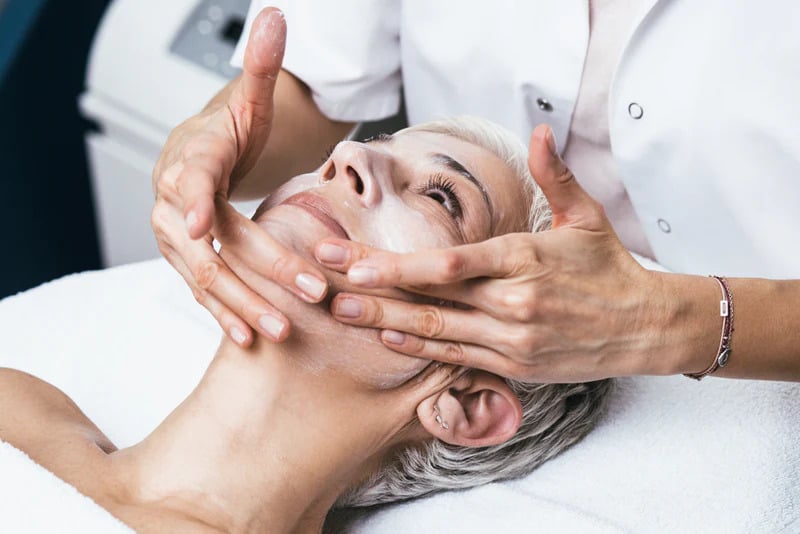
What is a chemical peel and what does a chemical peel do for your skin? A chemical peel is an aesthetic skin resurfacing treatment designed to improve the appearance of fine lines, wrinkles, uneven skin tone and skin texture on the face, neck, décolleté or hands. Depending on the treatment, a peel will often be classified as light, medium, or deep. This refers to how deep the peel penetrates in the layers of skin. The procedure uses a chemical solution which is applied to the skin and will cause exfoliation by eventually peeling over the days to follow.
Procedure Care
Many practitioners recommend discontinuing retinol/retinoid use for several days prior procedure and several days to weeks after procedure. Prior to a procedure, it is essential to prep the skin using products with high quality ingredients. ALASTIN Regenerating Skin Nectar with TriHex Technology® includes TriHex Technology® that may be used to complement aesthetic procedures, such as chemical peels, to pre-condition the skin by supporting the skin's ability to clear out damaged collagen and elastin prior to the treatment. This can support and strengthen the skin barrier and enhance your procedure outcome As well, a proper post-care routine using products formulated with key ingredients is crucial to preserving beneficial outcomes upon receiving treatment. Regenerating Skin Nectar includes Arnica, Phytoene, Phytofluene, and Narigenin with Panthenyl Triacetate that calm sensitive and vulnerable skin, including post-procedure skin, and help to improve the appearance of the skin when used at least 2 weeks following a procedure, while supporting the production of new, healthy elastin and collagen.
Chemical Peel Recovery
In addition to the Regenerating Skin Nectar, incorporating a moisturizing product, such as the Alastin Ultra Nourishing Moisturizer with TriHex Technology® can help support skin through the recovery process. The Alastin Ultra Nourishing Moisturizer includes Linoleic Acid, Oat Kernel, Silver Mushroom that soften and calm skin condition, support the renewal of post-procedure skin, and help to restore the protective barrier. It also keeps in the body’s natural moisture to help with dryness. Additionally, the Ultra Nourishing Moisturizer will help “lay down” flaking and peeling skin. This will assist you in resisting the urge to pull skin that remains attached.
Main Benefits of a Chemical Peel Treatment:
- Lighten or eliminate discoloration or dark spots from sun damage.
- Smooth fine lines C wrinkles on the skin’s surface.
- Diminish active acne and improve milder acne scars.
- Improve skin tone, texture and brighten the complexion by sloughing away dead skin cells.
How Different Types of Chemical Peels Work
There are three basic types of chemical peels: light, medium and deep peels. Each peel type works best for different types of skin concerns.
Light or superficial peel
Mild acid (such as alpha hydroxy) or enzymes are used to penetrate only the outer layer of treated skin to gently exfoliate it. The light chemical peel treatment is used to improve the appearance of mild skin discoloration and smooth rough skin texture, as well as to refresh the skin on the face, neck, chest, or hands. There is typically no physical “peeling” or downtime with peels in this category.
Medium peel
A medium chemical peel uses a slightly stronger blend of acids, which penetrates the outer and middle layers of skin to eliminate damaged skin cells. The medium depth peel treatment addresses age spots, fine lines, wrinkles, acne with redness, and skin discoloration. You can typically expect 3- 5 days of peeling.
Deep peel
A deep chemical peel utilizes the strongest concentrations of acids (Trichloroacetic acid or phenol) which is applied to penetrate more deeply into the middle layer of skin to remove damaged skin
cells. The treatment targets moderate lines and wrinkles, dark spots, acne, and mild scarring. This deeper peel provides the greatest improvement in skin condition and appearance and has the most amount of down time needed for recovery. You can typically expect 5-10 days of peeling depending on the depth of the peel.
What To Expect
After the initial healing period from a chemical face peel, you will see some early improvements such as tighter-feeling skin, even skin tone and a brighter complexion. With the lighter-medium peels, repeat treatments periodically are often recommended for optimal outcomes. Contact your healthcare provider to find out which is best for your skin type and what the proper chemical peel aftercare is for you. Chemical peel cost may vary.


