The Journal
Written by: ACRE | Published On: February 18, 2025
Azzalure vs Botox: Which is Best for Your Patient?
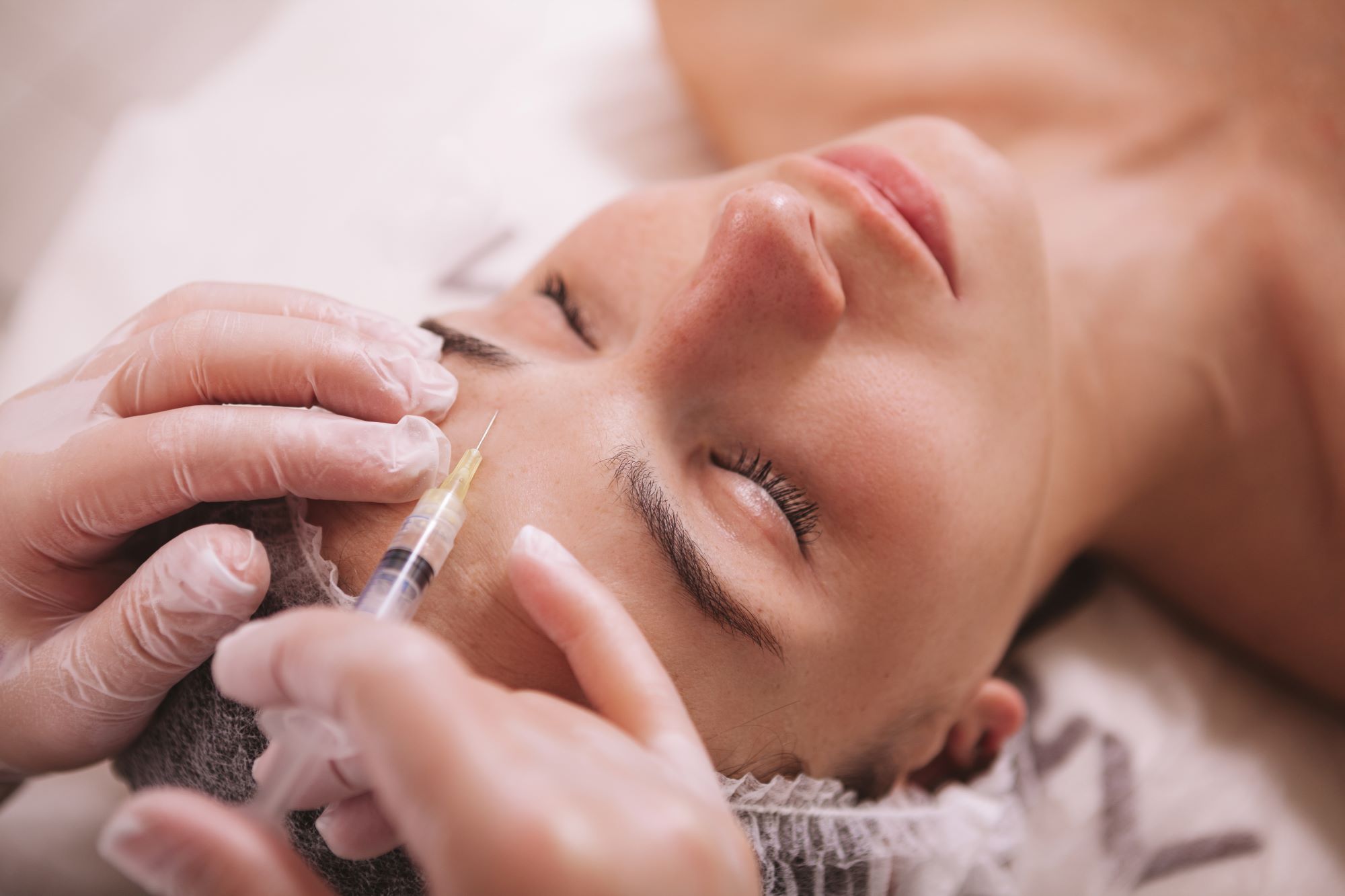
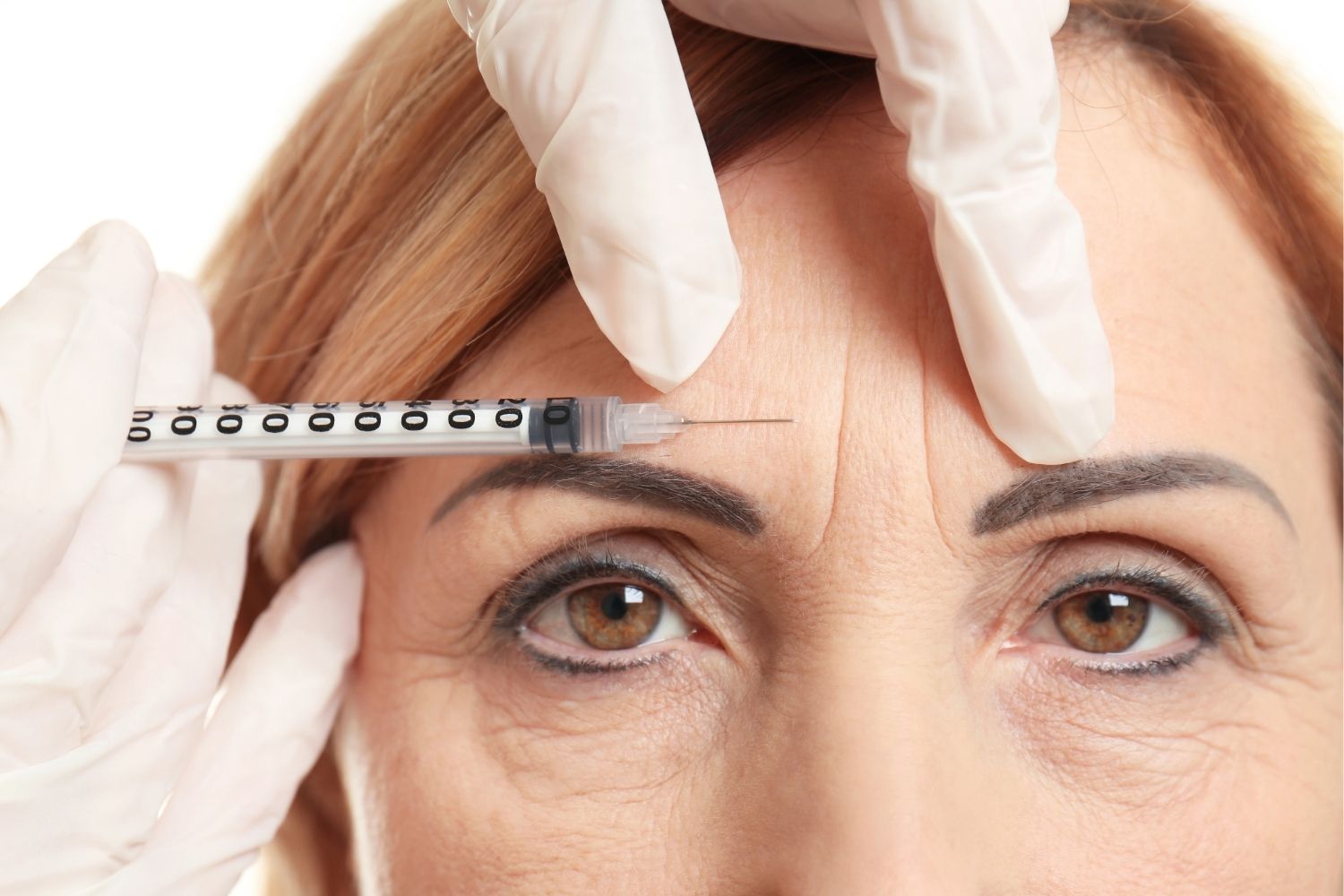
Anti-wrinkle treatments are one of the most commonly-requested aesthetic procedures. Although Botox is one of the many brands of botulinum type A - and has now become casual shorthand to describe the overall treatment - patients are far more likely to request ‘Botox’ than they are ‘botulinum toxin injections’! However, Botox isn't necessarily the best treatment for all patients. There are a number of products available that can relax facial muscles and reduce the appearance of forehead lines, crow's feet and other facial wrinkles. One of our most popular neurotoxins, Azzalure, is also a highly effective treatment, with a few key differences.

What is Botox?
Botox is the most well-known brand of botulinum toxin injection, and is commonly used for both cosmetic and medical treatments. It has been widely used in the aesthetics industry since the 1990s, and its effectiveness and safety makes it just as popular to this day.
Most patients seek Botox as an anti-wrinkle treatment to address signs of ageing, reduce dynamic wrinkles and smooth fine lines, particularly in the forehead wrinkles, frown lines and crow’s feet.
How does Botox work?
Botox is derived from botulinum toxin type A, a neurotoxin that causes muscle weakening. It blocks the release of acetylcholine, a chemical messenger that signals the muscles to contract. When injected into the facial muscles, it prevents the nerve’s ability to release acetylcholine at the neuromuscular junction.
As the muscle can no longer move as much, it smooths the existing wrinkles in the target area and prevents new wrinkles from forming. The effects of Botox are temporary, with most patients noticing initial improvements in the appearance of wrinkles after around a week and wearing off after 3-4 months.
What are the benefits of Botox?
Of course, the most common benefit of Botox for aesthetic use is its effectiveness at minimising the appearance of wrinkles, leading to the smoother, more youthful complexion that many patients are looking for. As well as treating dynamic wrinkles, Botox is also used as a preventative treatment to avoid the formation of deep facial lines.
Botox treatments are a non-invasive way to improve the appearance of the skin, with no downtime or recovery time - perfect for busy clients - although patients should avoid exercise and lying down for the first 4 hours after treatment.
There are also many approved medical applications for Botox, including as a treatment for medical conditions such as chronic migraines, hyperhidrosis (excessive sweating) and muscle spasms.
What is Azzalure?
Azzalure is another popular anti-wrinkle treatment, which was specifically created for use in aesthetics. It is recommended for the temporary improvement in the appearance of moderate to severe glabellar lines - also known as frown lines - and crow’s feet in patients under the age of 65.
How does Azzalure work?
Azzalure treatment works similarly to Botox, as it also contains botulinum toxin A. When injected into the treatment area, it temporarily disrupts the nerve signals to the muscles around the injection site, which relaxes the muscle and prevents it from contracting.
However, the molecular structure of Azzalure does differ from Botox. As the molecules in Azzalure are smaller, it can diffuse further from the initial injection site, which can be an advantage when treating a larger area. It also means that the body can absorb it faster, meaning that many patients notice the results around 2-3 days after treatment.
What are the benefits of Azzalure?
The formulation of Azzalure means that many practitioners feel it provides more natural-looking results than Botox, so it may be a better option for patients who are concerned about having a ‘frozen’ appearance after treatment.
The faster onset of Azzalure also makes it a great option for patients who are looking for more immediate results, with optimal results being visible around two weeks after injection. Depending on the age and lifestyle of the patient, as well as the severity of the wrinkles being treated, Azzalure can last between 3-6 months until it wears off.
What are the key differences between Botox and Azzalure?
Although both injectable treatments work in a similar way, there are crucial differences that can help you determine the best product for your patient.
Onset of results
Some patients find that Azzalure offers a slightly faster onset than Botox, with results typically being visible around 2-3 days after treatment, compared to the 3-5 days for Botox. Although this won't concern many patients, Azzalure can be a better choice for those who want to see results faster.
Diffusion
The composition of Azzalure means that it diffuses further and requires fewer injection points than Botox, which can be beneficial for treating larger areas such as the forehead. However, it does also mean that more precision is needed to prevent the toxin from spreading to nearby muscles. In these instances, Botox may offer more precise targeting of specific facial muscles.
Application
Whilst Botox can also be used to treat a range of medical conditions, Azzalure was specifically created for cosmetic purposes, and should only be administered for aesthetic treatments.
Dosage
Botox is more potent than Azzalure, meaning that smaller doses are needed to treat patients and achieve the same results with the procedure.
Side effects of Botox and Azzalure
As a minimally-invasive cosmetic treatment, there is minimal discomfort associated with anti-wrinkle treatments. Many patients tolerate Botox and Azzalure well, but potential side effects include pain or bruising at the injection site, drooping of the eyelids or eyebrows, and headaches. Please refer to the individual products for more information about side effects.
Botox vs Azzalure: Which treatment is right for my patient?
The right treatment for your patient depends on your patient's goals, the desired treatment area, lifestyle and medical history. Both Botox and Azzalure are botulinum toxin type A products that offer similar benefits in terms of smoothing wrinkles and improving the appearance of the skin - neither product is 'better' than the other, it's just a matter of weighing up the most appropriate treatment for your patient.
Botox may be the better choice for precise treatments, whilst Azzalure's diffusion could make it the better option for treating a larger area. Patients may also specifically request Botox, due to its popularity and known effectiveness.
If you have any questions about our range of toxins, including Botox and Azzalure, we're happy to help.