
The Journal
Written by: ACRE | Published On: February 18, 2025
Practitioner's Complete Guide to Polynucleotide Treatments
Polynucleotides have taken the aesthetics world by storm. Far more than just a viral trend, they are an innovative treatment that we can see staying in demand. Whether you’re considering offering polynucleotides in your clinic or just want to understand what all the hype is about, this guide will provide answers to all your biggest questions.
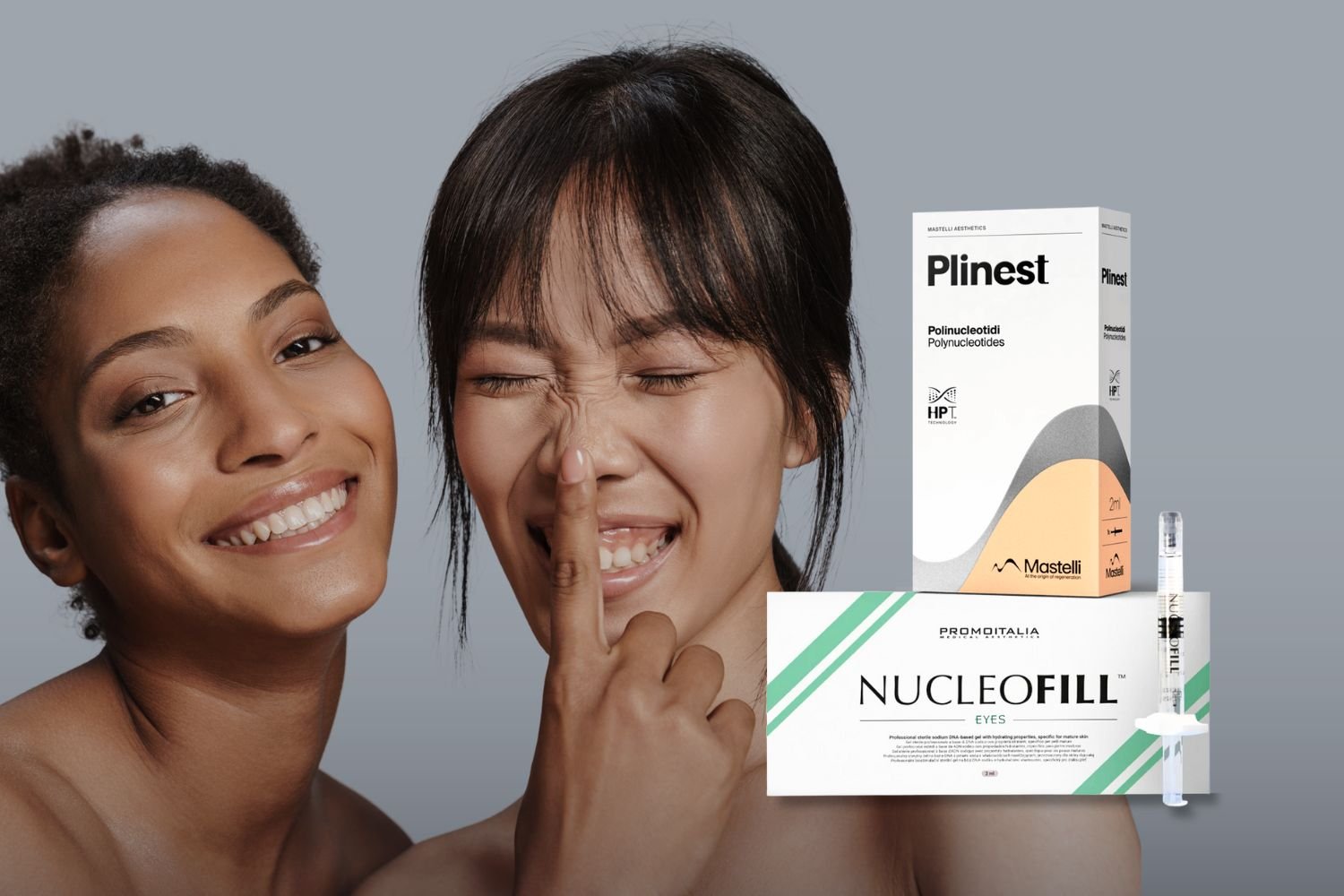
What Are Polynucleotide Treatments?
First, let’s cover what these treatments are. Although patients may enquire about a ‘salmon sperm facial’, it’s worth stressing that polynucleotide treatments aren’t quite that literal, so don’t feel put off by this unusual term.
Polynucleotides are bio-stimulators derived from small fragments of fish DNA (typically taken from salmon or trout), which stimulate the skin’s natural healing processes, promoting skin cell regeneration and repair while boosting elastin and collagen production. Mirroring our own DNA, they are highly biocompatible and low-risk for humans.
Polynucleotide treatments encourage skin cells to function as they did when they were younger. Increased blood flow improves skin texture, quality, and overall appearance while also enhancing skin elasticity.
Do Polynucleotides Work?
While it may seem like a simple question, patients might be eager to know whether polynucleotides offer tangible, noticeable benefits for their skin. The truth is that polynucleotides are an extremely versatile skin treatment that addresses a number of common complaints.
Some of the skin concerns that polynucleotides can help improve include:
- Acne scarring
- Atrophic scarring
- Dehydration
- Hair loss of the scalp and eyebrows
- Hyperpigmentation
- Fine lines
- Loss of skin elasticity
- Stretch marks
- Wrinkles
Understanding How Polynucleotide Treatments Work
With polynucleotide treatments being an increasingly popular and genuinely effective treatment for a range of skin problems, let’s look closer at how treatments work and what your patients can expect from them.
How are Polynucleotides Administered?
Polynucleotides can be administered using either a cannula or a needle, depending on the treatment area, the technique required, or the patient’s personal preference. Needles allow for a more precise injection in delicate areas but can be more uncomfortable. Cannulas are better for larger or more sensitive areas, and they reduce the risk of bruising.
These treatments can be used on a range of areas, with perhaps the most popular being under the eyes. Other popular treatment areas for polynucleotides include the face, neck, décolletage, and the back of the hands (all of which display noticeable skin laxity with age).
Most polynucleotide products – including Nucleofill and Plinest – do not contain local anaesthetic, so these will have to be administered separately. Each polynucleotide product will have its own protocols that depend on the specific issues it is targeting, so make sure to read the product details thoroughly before use.
How Long Do Polynucleotides Take to Work?
Most patients will notice an improvement in their skin around two to three weeks after their initial polynucleotide treatment, with the full effects being visible around the three-month mark. As for how long polynucleotides last, most patients enjoy the results of their polynucleotide treatment for between six and 12 months.
After the initial treatment, we recommend discussing a maintenance plan with your patient to ensure they get the maximum benefits. For older patients, maintenance injections are recommended every four to six months to maintain their results, while younger patients may only need a top-up once a year.
Can anyone have polynucleotide treatments?
As with all aesthetic treatments, not all patients will be suitable candidates for polynucleotide treatment. Due to the ingredients being derived from animals, polynucleotides are unsuitable for patients who follow a vegetarian/vegan diet or for those with a fish allergy.
As with all injectable treatments, polynucleotides are not recommended during pregnancy or while breastfeeding. A thorough review of a patient’s medical history and allergies will help to assess their suitability for the procedure.
Generally speaking, most people are suitable for polynucleotide treatments due to their natural composition and low risk. Patients of all age groups can benefit from the treatment, with younger patients often seeking treatment to improve skin texture from acne scarring and older patients wanting to reduce signs of ageing.
FAQs: Common Patient Questions
How many sessions of polynucleotides do you need?
For the best results, patients are advised to have two to three polynucleotide treatments two to four weeks apart from each other.
Do polynucleotide treatments have any side effects?
Side effects of polynucleotide injections tend to be mild. Some patients may experience small bumps around the injection site, lasting for a few hours after the treatment. Some bruising or swelling is also a normal side effect.
Are polynucleotide treatments safe?
Yes, polynucleotide treatments are perfectly safe. Naturally derived from DNA from the gametes of trout, they are less likely to trigger an immune response. There are possible side effects, but these are typically mild in most patients.
It must be noted that polynucleotides are not safe for fish allergy sufferers.
Are polynucleotides the same as dermal fillers?
Although polynucleotides and dermal fillers are both injectable treatments, they are not the same thing. Dermal fillers typically contain hyaluronic acid to add immediate volume to the skin, reducing the appearance of wrinkles and creating a fuller appearance. Polynucleotide treatments don’t add any extra volume to the skin but work at a cellular level to improve the appearance of skin in the long term.
Are polynucleotides the same as skin boosters?
Although the effects of skin boosters are similar, they work very differently from polynucleotides. Skin boosters contain hyaluronic acid, which works like an internal moisturiser, hydrating the skin to improve its firmness and elasticity. Polynucleotides stimulate the cells to encourage collagen and elastin production, so it’s more of a long-term treatment.
Can you administer Botox and polynucleotide treatments together?
Yes, Botox and polynucleotide treatments can work very well together for a more holistic rejuvenation, but you cannot administer anti-wrinkle injections such as Botox and polynucleotides in the same areas.
Botox temporarily relaxes the facial muscles to minimise dynamic wrinkles, whereas polynucleotides promote cellular regeneration and improve the appearance of skin. If a patient would like to try both treatments, start with Botox and wait a minimum of two weeks before starting polynucleotide treatments. This allows time for the Botox to start taking effect and for any initial swelling or bruising to settle down.
Are polynucleotides effective as an anti-ageing treatment?
Yes, polynucleotides are effective at repairing damaged skin, improving hydration, and stimulating collagen production to reduce fine lines and improve skin elasticity.
Shop Polynucleotide Treatments with ACRE Pharmacy
ACRE Pharmacy supplies licensed, high-quality polynucleotide products to registered practitioners across the UK. As a GPhC-registered pharmacy, we guarantee the authenticity and integrity of our products, ensuring optimal patient safety and results.
Explore our full range of polynucleotides, including those from market-leading brands like Croma and PolyPhil, or browse our wider collection of aesthetics products. For any further information regarding our products, please don’t hesitate to contact us.


