
The Journal
Written by: ACRE | Published On: August 27, 2026
Common ZO Skin Health® Routines Used in Clinics
Professional skincare works best when it is built around an individual assessment, a clear objective and realistic patient adherence. For many clinics, ZO Skin Health provides a structured way to organise cleansing, exfoliation, toning, targeted products and daily sun protection within a practitioner-led routine.
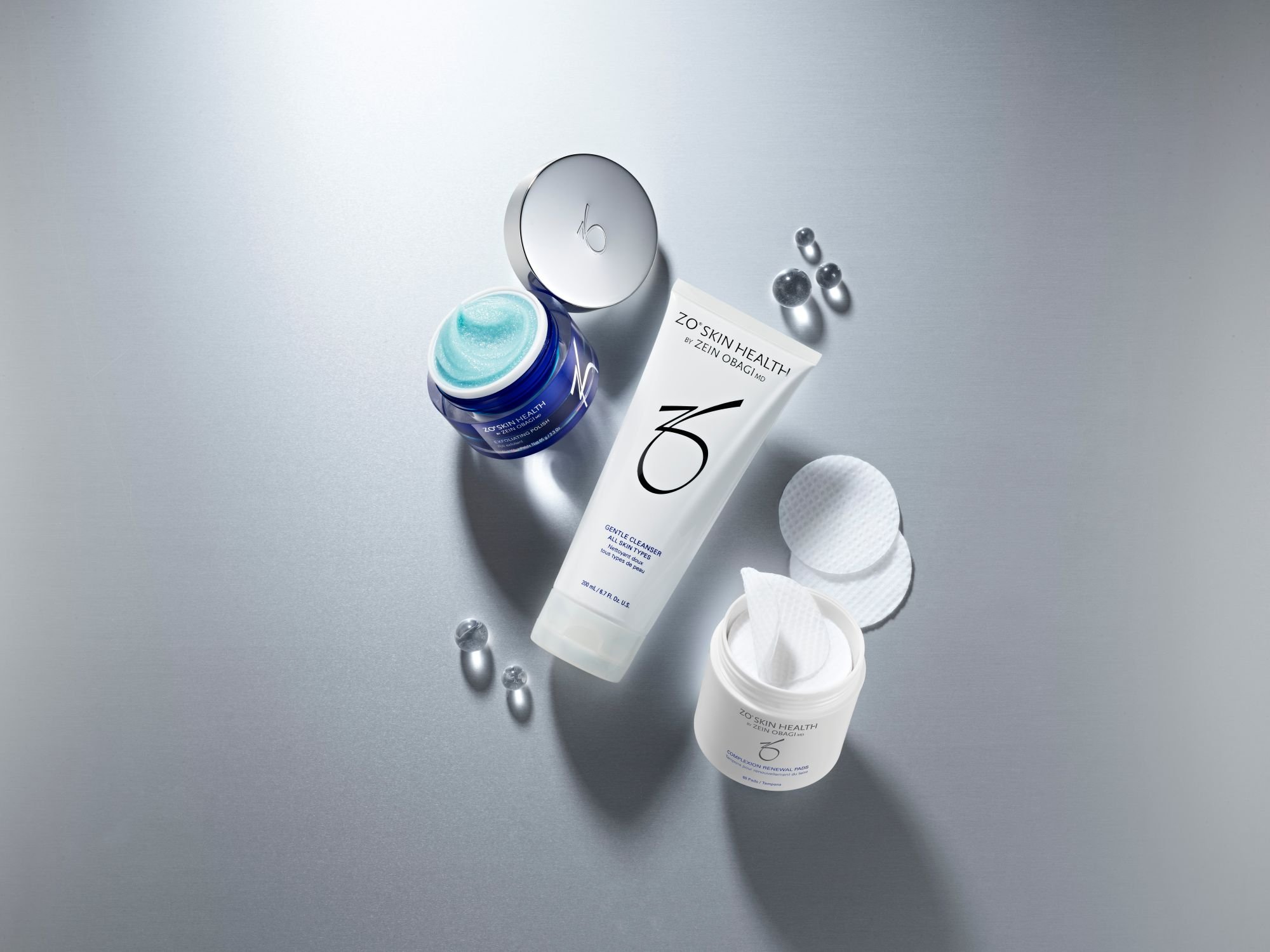
The examples below show how clinics may organise common ZO Skin Health routines. They are not standard prescriptions or a substitute for current product information, clinical assessment or approved training. Product choice, frequency and sequencing should always be tailored to the individual.
Start with assessment, not a product list
Before recommending a routine, the practitioner should understand the patient’s current products, skin history, sensitivity, treatment plans, expectations and ability to follow the programme. A shorter routine used consistently is often more useful than a complex routine the patient cannot sustain.
· Clarify the patient’s primary objective and what “success” would look like.
· Review current active ingredients and recent or planned procedures.
· Identify tolerance, contraindications and when medical review is required.
· Explain what to introduce first and how the routine will be reviewed.
· Record the recommendation and provide approved written instructions.
1. Getting Skin Ready™: the foundation routine
Getting Skin Ready™ is commonly used as the foundation of a ZO routine. It follows three core steps, cleanse, exfoliate and tone, to support consistent preparation before targeted products are considered.
Cleanse
The cleanser should reflect the patient’s skin type, comfort and current routine. Examples in the range include Gentle Cleanser, Hydrating Cleanser and Balancing Cleansing Emulsion. Selection and frequency should follow current ZO guidance.
Exfoliate
Exfoliating Polish and Dual Action Scrub are examples of products that may be considered within a structured routine. Exfoliation should be adjusted carefully around sensitivity, active ingredients and procedures.
Tone
Complexion Renewal Pads, Oil Control Pads and Calming Toner are examples used for different skin presentations. The most appropriate option depends on assessment and tolerance.
2. Daily support and maintenance
Once the foundation is established, clinics may add daily support products according to the patient’s objective. Daily Power Defense and Illuminating AOX Serum are examples that may be incorporated into maintenance-focused routines under current product guidance.
The objective should be to support a manageable homecare routine, then review how the patient is using it and avoid adding products without a defined role.
3. Routines focused on visible signs of ageing
For patients concerned with the visible signs of ageing, clinics may consider products such as Instant Pore Refiner, Vitamin C Self-Activating, Peptide Facial Refining Concentrate, Firming Serum and Growth Factor Serum.
Retinol products, including Radical Night Repair, Wrinkle + Texture Repair or Complex A+, require careful selection, introduction and follow-up. They should not be presented as interchangeable, and use should reflect approved guidance, patient tolerance and relevant clinical oversight.
4. Routines for uneven-looking tone and dullness
Brightalive Skin Brightener and Retinol Skin Brightener are examples that may feature in a routine for patients seeking a more even-looking, brighter complexion. The practitioner should review other actives, sun exposure, sensitivity and planned procedures before recommending a programme.
Daily broad-spectrum sun protection is an essential part of any routine, especially when using actives to address visible uneven skin tone.
5. Routines for blemish-prone or congested skin
ZO options for blemish-prone or congested skin include Complexion Clarifying Serum, Complexion Clearing Masque, Retinol + Blemish Complex and the Complexion Clearing Program.
These routines should be introduced and reviewed carefully. Clinics should avoid implying that a cosmetic skincare routine diagnoses or treats a medical condition and should refer patients for medical assessment where appropriate.
6. Daily sun protection
Sun protection should be considered within every routine. ZO options include Sunscreen + Primer Broad-Spectrum SPF 30, Broad-Spectrum Sunscreen SPF 50, Sheer Fluid Broad-Spectrum SPF 50, Sunscreen + Powder Broad-Spectrum SPF 45, Smart Tone Broad-Spectrum SPF 50 and Daily Sheer Broad-Spectrum SPF 50.
Product selection should reflect the individual’s skin, preferences, lifestyle and current guidance. The practical aim is to choose an option the patient is willing and able to use consistently.
7. Targeted eye and neck products
Some patients may also be interested in targeted products such as Intense Eye Crème, Growth Factor Eye Serum or Neck Complex. These should be positioned as optional additions with a clear purpose, rather than automatic steps in every routine.
Building routines patients can follow
The quality of the recommendation is only part of the outcome. Clinics also need a process for education and follow-up.
· Introduce products in a logical order rather than all at once where tolerance is uncertain.
· Use approved written instructions and explain what to do if irritation occurs.
· Schedule an appropriate review instead of waiting for the next treatment appointment.
· Record changes so different team members can support the same plan consistently.
· Review adherence before concluding that a routine is ineffective.
Using skincare around in-clinic procedures
Professional skincare may form part of a wider patient pathway around peels, injectables, lasers, microneedling or other procedures. The exact timing, product selection and any pause or reintroduction period should follow the treating practitioner’s assessment, current manufacturer guidance and the clinic’s governance procedures.
How ACRE supports ZO clinics
As the exclusive UK pharmacy partner for ZO Skin Health, ACRE supports eligible clinics with onboarding, ordering, fulfilment, education and account management. ACRE Academy, webinars and brand education can help clinic teams use approved product information consistently
Clinical note
This article is for professional education and does not provide individual treatment or prescribing advice. Always refer to current UK product information, approved ZO education and your clinic’s clinical governance procedures.


